



 Grid
 List
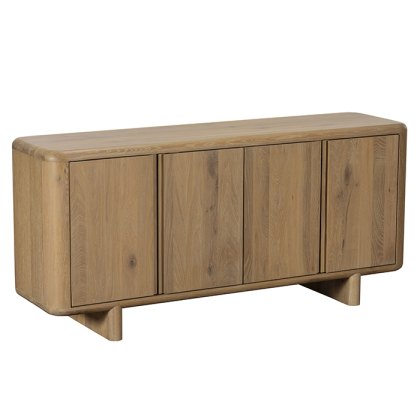
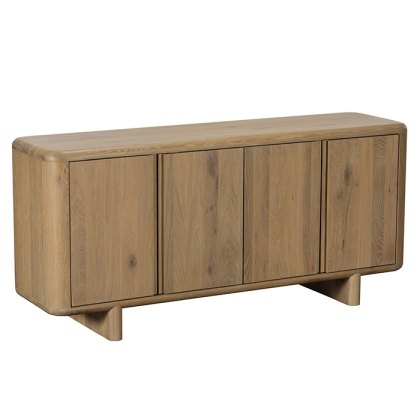

Flynn Oak Wide Sideboard
A timeless blend of rustic charm and contemporary design, crafted from solid oak and finished in a soft whitewash. Each piece in this collection showcases the natural grain and character of the wood while offering a light, airy aesthetic that suits a variety of interiors. At the heart of the collection is a beautifully designed dining table, featuring a distinctive wooden star-shaped base that adds...
£1,295.00
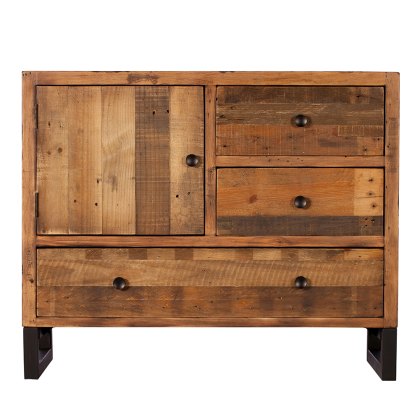
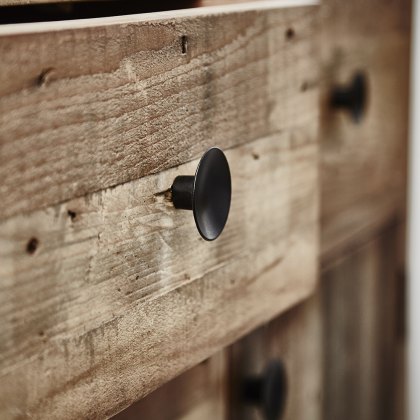
Kennedy Narrow Sideboard
This narrow sideboard has statement metal legs and a 'Rustic Natural' two-tone finish defining the Kennedy furniture collection. All furniture is made from reclaimed materials, predominantly pine and is topped of with a water based sealer
£645.00
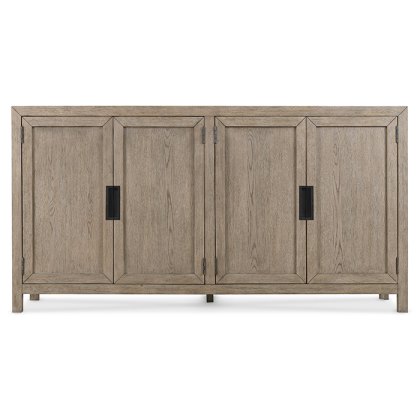
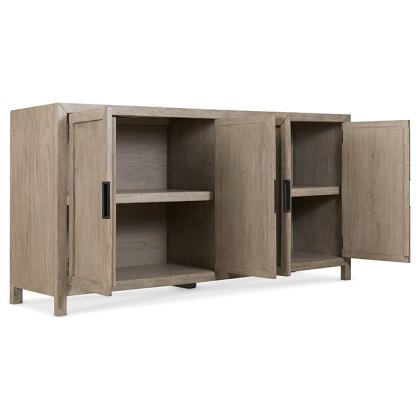
Harmony Haven 4 Door Sideboard
The charming 4 door sideboard is part of the Harmony Haven collection. This sideboard has ample storage with 4 large doors and shelving to the inside. The Harmony Haven collection combines antique charm with contemporary sophistication, this range
features weathered oak finishes, clean lines, and understated accents inspired by life’s simple pleasures.
£1,465.00
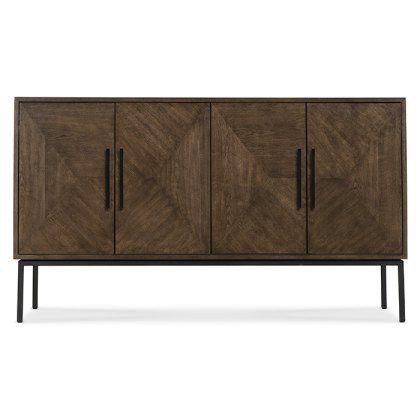
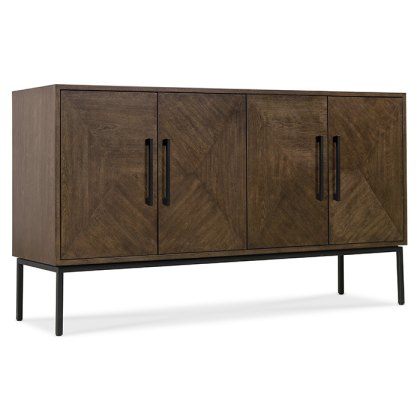
Academic Fusion 4 Door Sideboard
Part of the Academic Fusion collection the beautiful 4 door sideboard both stylish and functional. The sideboard unit has 4 cupboards with inner shelving and a handle to the front.Combining vintage sophistication with mid century modern craftsmanship, this range offers muted tones, rich wood grains and
practical design.
£1,649.00
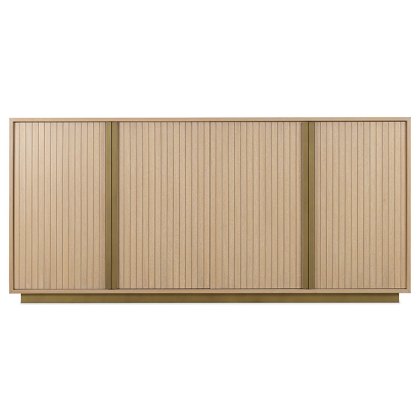
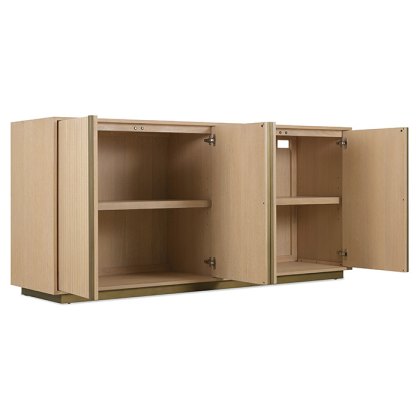
Eclectic Academia Small Buffet Sideboard
The small buffet sideboard part of the Eclectic Academia collection has a slatted wood finish with gold detailing. There is a 4 door opening with ample shelving to the inside. This collection offers bold and creative, this range merges unexpected textures and shapes,
offering accent pieces that spark conversation and complement a variety of interior styles.
£1,869.00
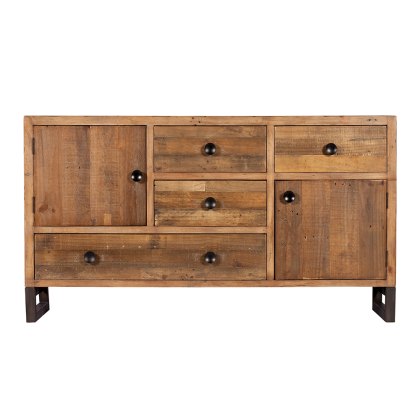
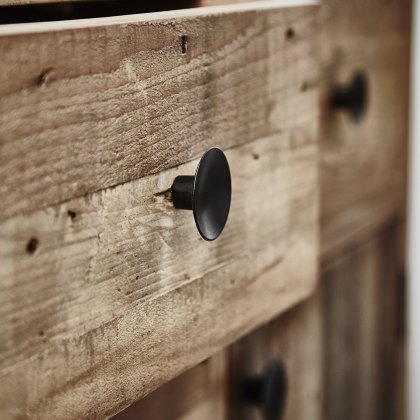
Kennedy Wide Sideboard
This wide sideboard has statement metal legs and a 'Rustic Natural? two-tone finish defining the Kennedy furniture collection. All furniture is made from reclaimed materials, predominantly pine and is topped of with a water based sealer
£899.00
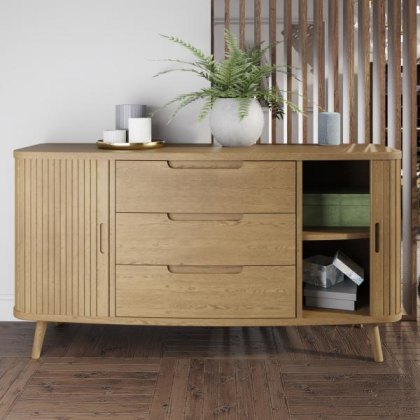
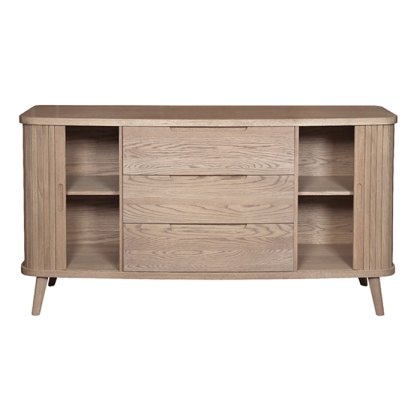
Tambour Sideboard Grey
A striking piece of furniture which on this occasion is finished in a grey waxed wood, however this sideboard is also available in a natural wood finish. This sideboard is aesthetically pleasing on the eye, hand crafted to an exceptional standard and ideally practically with the use of large cupboards and shelving for your practical household demands.
£1,595.00
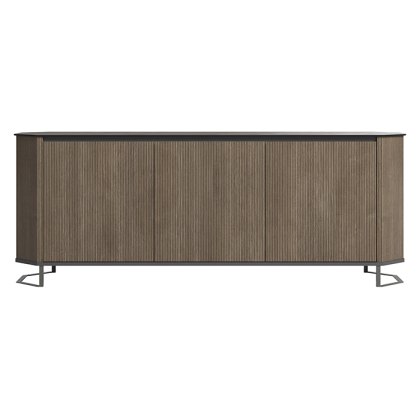
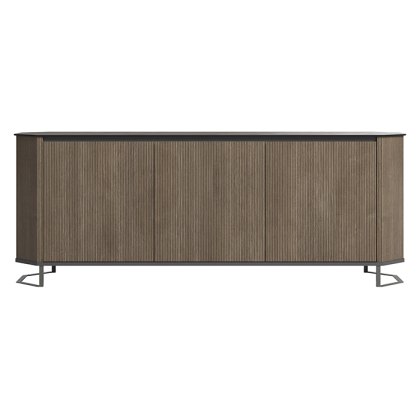
Hexagon Sideboard
A modern and contemporary Italian furniture brand of which highlights a strong firm design structure. The design of all of the pieces of furniture shows a hexagonal aesthetic, creating jarred edges and a striking finish. The furniture is finished in a honey ribbed wood and this creates a strong finished look for all the Hexagon furniture range. The marble top is lined with gold elements creating that...
£2,450.00
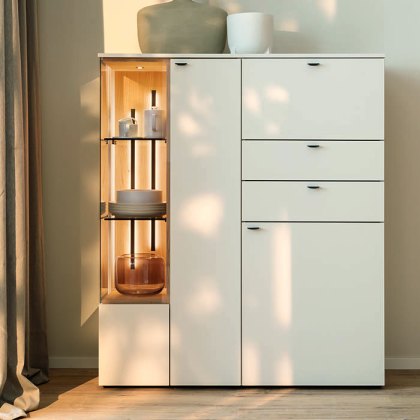
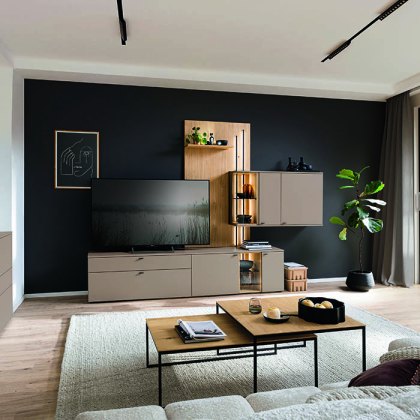
Venjakob Vanya Furniture Collection
The new range from Venjakob has now landed beautifully in our showroom, the Vanya collection. The Vanya range can be seen in our showroom where one of our team will be on hand to talk you through the range.VANYA – the new furniture program, body and front can be available in the 3 new lacquer colours angora white matt, stone grey matt and emerald green matt. The Vanya Accent shelves, panels and hanging...
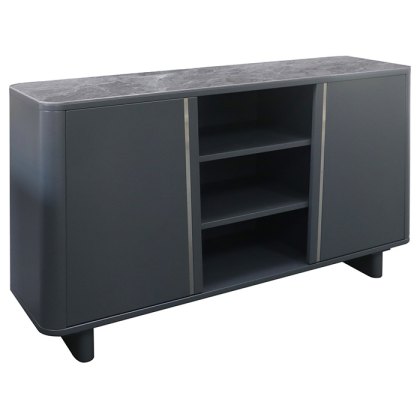
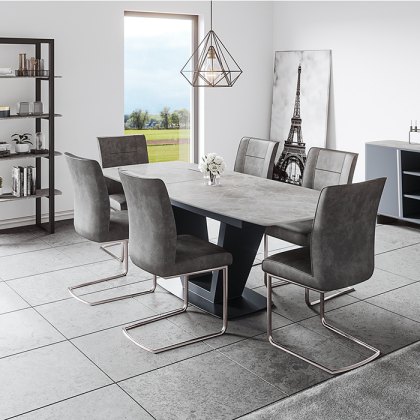
Apollo Large Sideboard Grey
The Apollo furniture range is finished with a sintered stone top and is either available in grey or white. Sintered stone is a highly compacted material offering complete protection from stains and scratches. The sintered stone element of this Apollo collection makes it highly effective for busy traffic areas and heavy usage. The material is hard wearing and non porous. You can clean this furniture...
£979.00
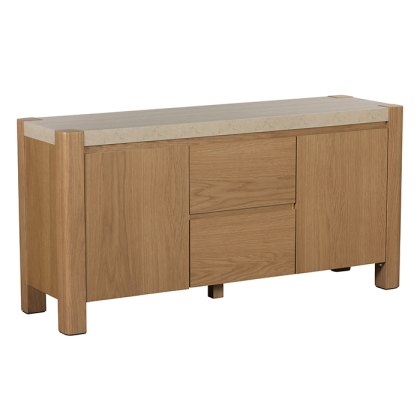
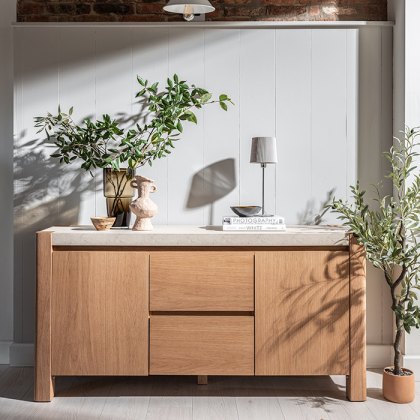
Arlo Wide Sideboard
The Arlo Dining Range blends classic style with modern durability. Light oak accents add warmth and character, creating a look that suits a wide range of interiors.The natural melamine tabletop provides a durable and versatile surface, designed to withstand everyday use while maintaining a sleek and stylish appearance.Ideal for both everyday dining and special gatherings, the Arlo Dining Range offers...
£879.00
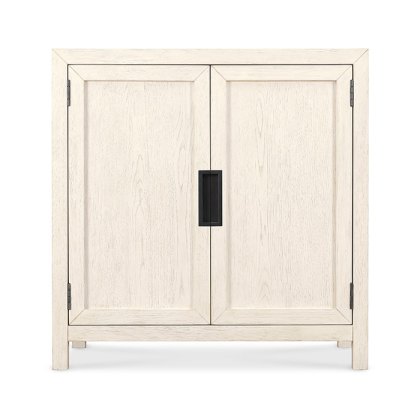
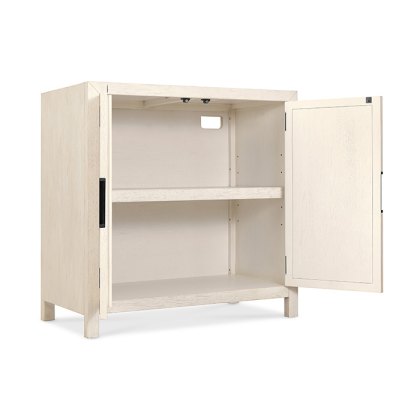
Harmony Haven 2 Door Sideboard
The charming 2 door sideboard is part of the Harmony Haven collection. This sideboard has ample storage with 2 large doors and shelving to the inside.
The Harmony Haven collection combines antique charm with contemporary sophistication, this range features weathered oak finishes, clean lines, and understated accents inspired by life’s simple pleasures.
£825.00
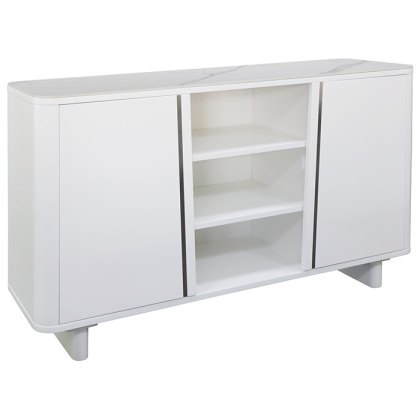
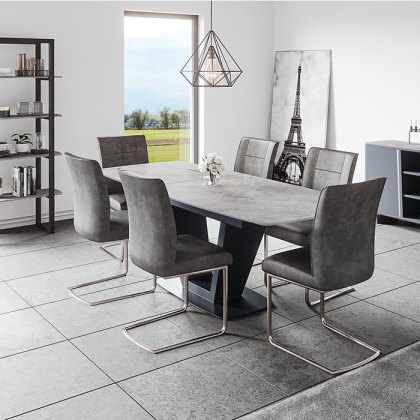
Apollo Large Sideboard White
The Apollo furniture range is finished with a sintered stone top and is either available in grey or white. Sintered stone is a highly compacted material offering complete protection from stains and scratches. The sintered stone element of this Apollo collection makes it highly effective for busy traffic areas and heavy usage. The material is hard wearing and non porous. You can clean this furniture...
£979.00
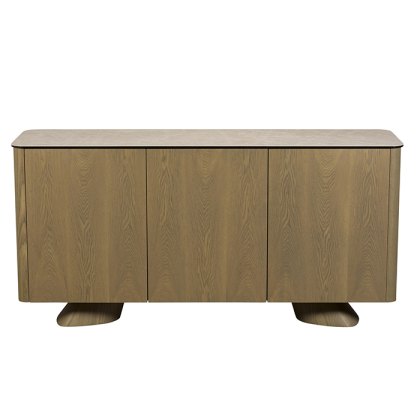
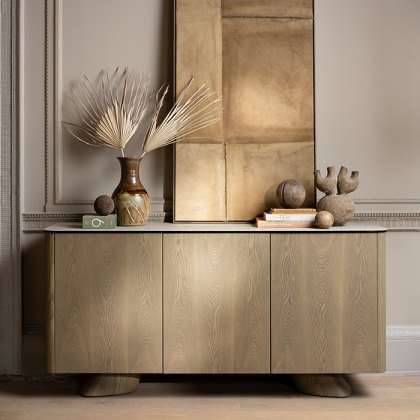
Berkeley Wide Sideboard
The stylish Berkeley range is finished with a spanish Ceramic laminated Tempered Glass top, with an Ash Veneered Base.The Berkeley collection is also complete with a range of occasional furniture, including a console table, lamp table and coffee table. There is also a large extending dining table available in the Berkeley range.
£1,389.00
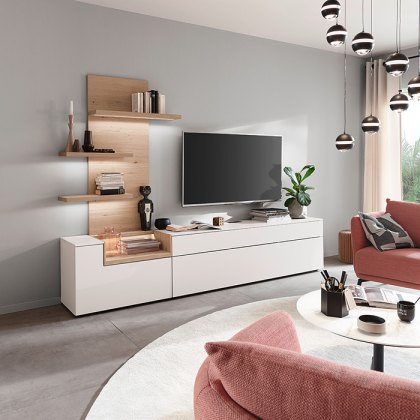
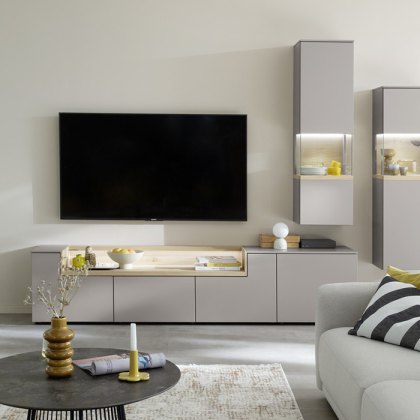
Venjakob Credenza Cabinet Collection
The Venjakob Credenza collection shows how practical storage can still feel refined and design-led. Featuring a lowboard, sideboard, highboard and tall cabinet, each piece combines clean lines, premium lacquer finishes and intelligently designed interiors to make everyday organisation simple. Available in Angora White Matt and Stone Grey Matt, with optional LED lighting. Expertly designed in Germany...
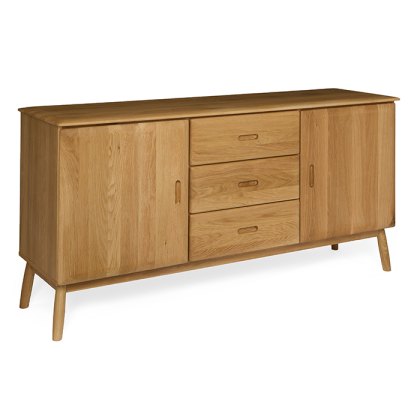
Malmo Sideboard
Inspired by traditional Swedish farmhouse furniture, the Malmo collection beautifully captures the timeless essence of Nordic design. Crafted from solid oak and finished with a durable protective lacquer, each piece showcases the natural beauty of the wood, with its warm tones and distinctive knotty grain.Featuring clean, classic lines, gently splayed legs, and a simple, understated finish, the Malmo...
£1,399.00
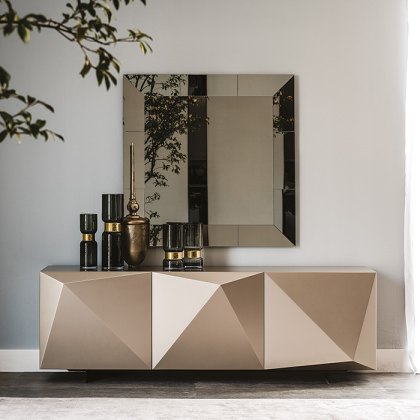
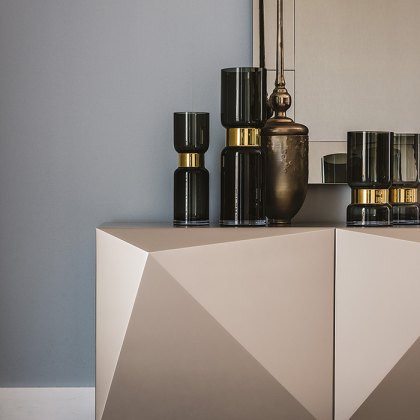
Cattelan Italia Kayak Sideboard
The eclectic and sculptural design of the Kayak modern sideboard has been conceived by Andrea Lucatello in order to elegantly decorate residential living rooms and to complete refined contract interior design projects, such as stylish design restaurants. Whether placed in a dining room or in a living room, this adaptable design sideboard showcases finely selected details and exclusive finishes. The...
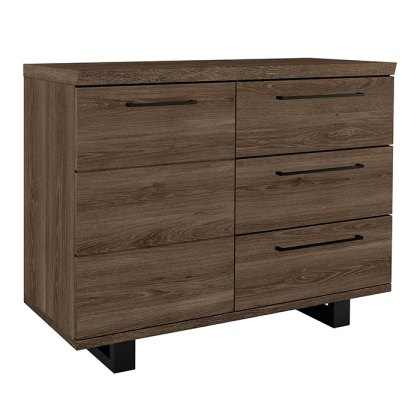
Franklin 1 Door 3 Drawer Small Sideboard
Elevate your dining and living room space with this contemporary furniture collection, Franklin. The Franklin collection boasts a black powder coated base detailing with a dark stained oak wooden top.The Franklin sideboard has ample storage with 1 door and a 3 drawer storage solution.
£769.00
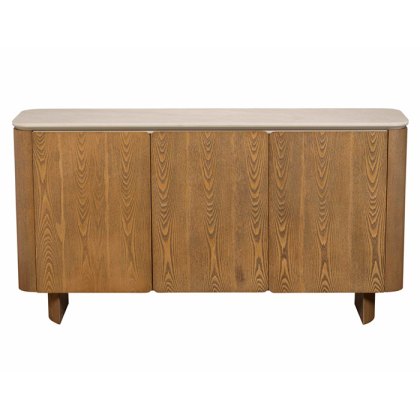
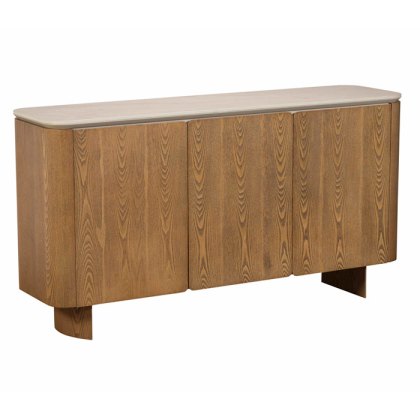
Lusso Sideboard
The Lusso dining and living collection is a beautiful modern and minimalist range of furniture designed to bring your home the most perfect dining setting
The Lusso is made of a refined combination of natural materials, featuring a matt sintered stone top paired with an ash veneered frame. The durable stone surface offers a sophisticated, understated texture, while the warm ash base adds depth and...
£1,029.00
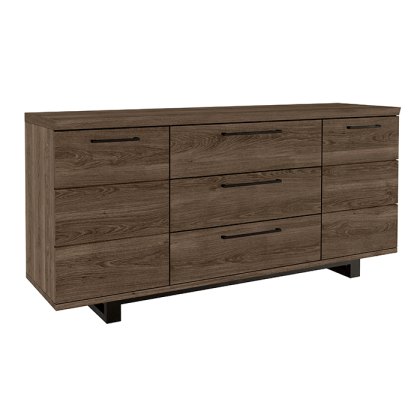
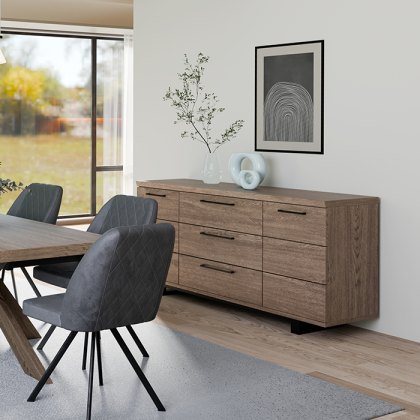
Franklin 2 Door 3 Drawer Large Sideboard
Elevate your dining and living room space with this contemporary furniture collection, Franklin. The Franklin collection boasts a black powder coated base detailing with a dark stained oak wooden top.The Franklin sideboard has ample storage with 2 doors and a 3 drawer storage solution.
£1,119.00
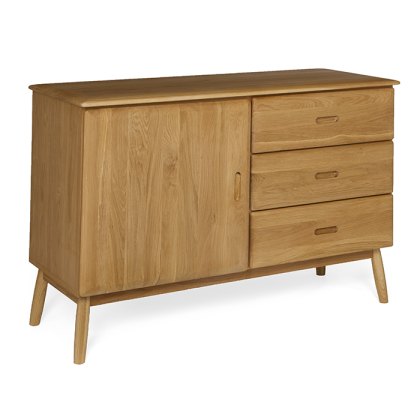
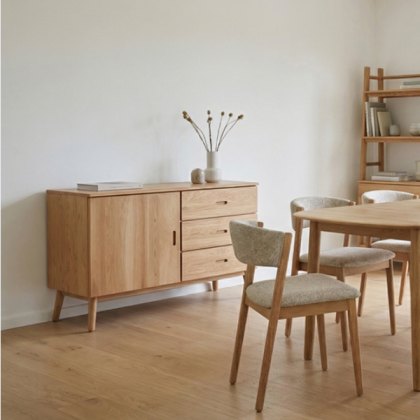
Malmo Buffet Cabinet
Inspired by traditional Swedish farmhouse furniture, the Malmo collection beautifully captures the timeless essence of Nordic design. Crafted from solid oak and finished with a durable protective lacquer, each piece showcases the natural beauty of the wood, with its warm tones and distinctive knotty grain.Featuring clean, classic lines, gently splayed legs, and a simple, understated finish, the Malmo...
£895.00
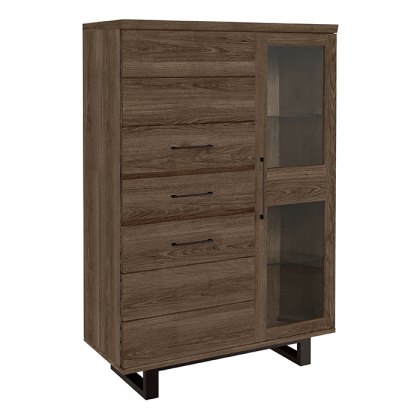
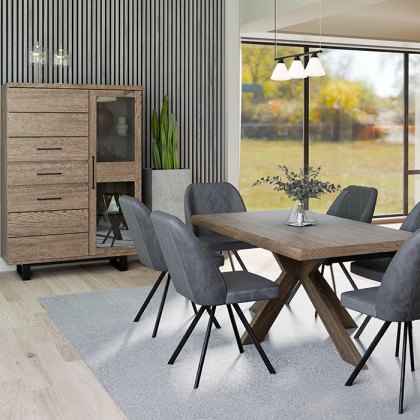
Franklin High Board 170cm
Elevate your dining and living room space with this contemporary furniture collection, Franklin. The Franklin collection boasts a black powder coated base detailing with a dark stained oak wooden top.The Franklin highboard has ample storage with an abundance of drawer and storage shelves.
£1,259.00